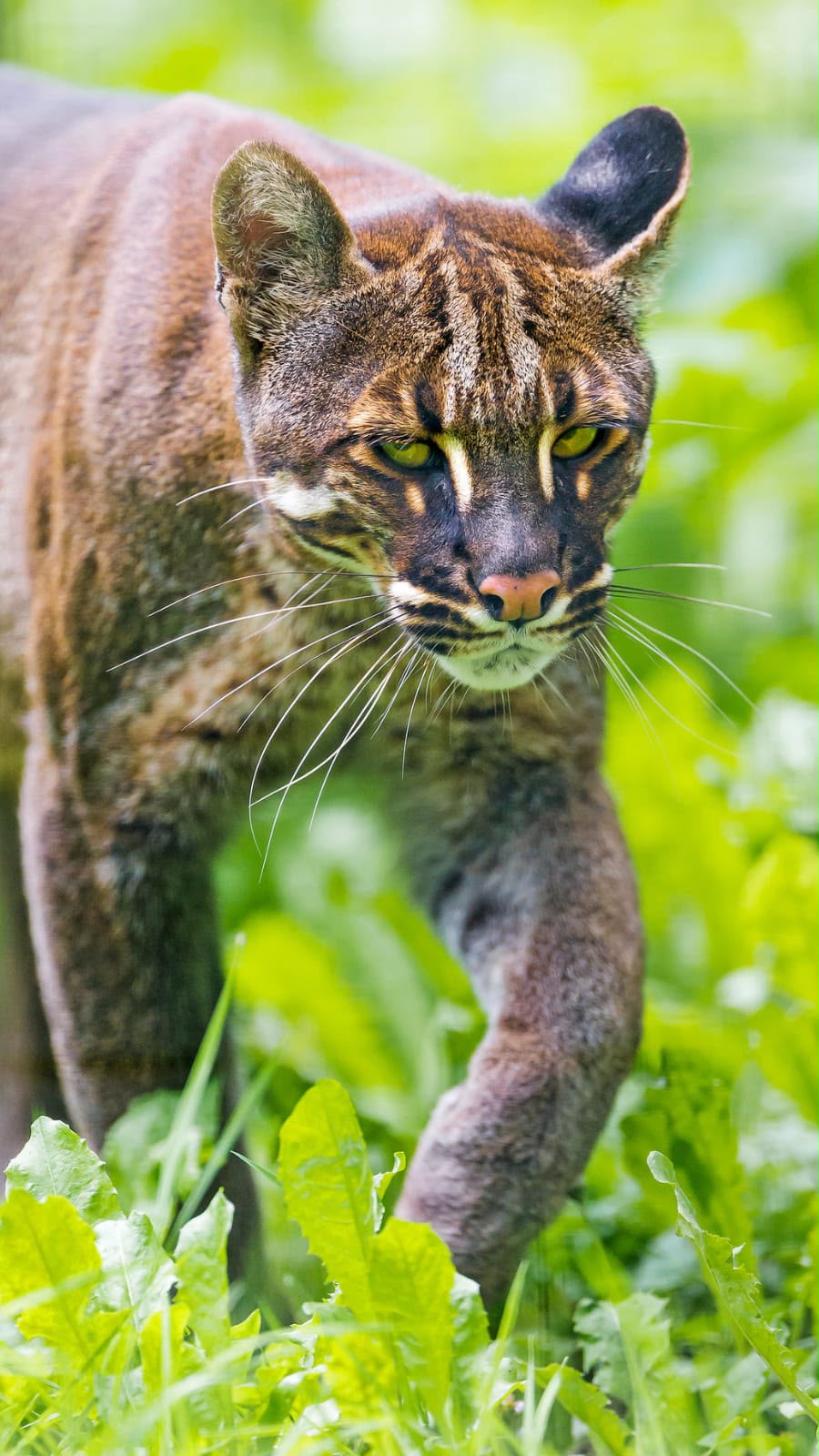
Assam
Assam Beyond the Safari: River Islands, Forests and Living Culture

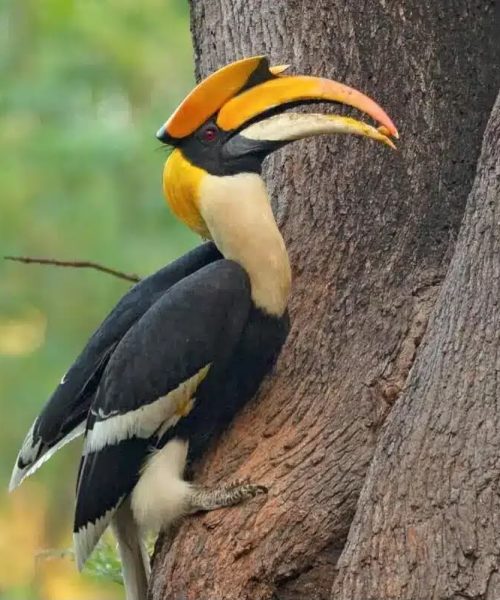
Assam is often introduced through its wildlife, especially the one-horned rhinoceros of Kaziranga. But the state offers a much wider travel experience — river islands, forests, tea landscapes, monasteries, traditional villages, local cuisine and deeply rooted cultural traditions.
A journey through Assam can move from the busy streets of Guwahati to the quiet river landscapes of Majuli, the forests of Hoollongapar, and the grasslands of Kaziranga National Park. Each destination reveals a different side of the state.
Majuli: Culture on the Brahmaputra
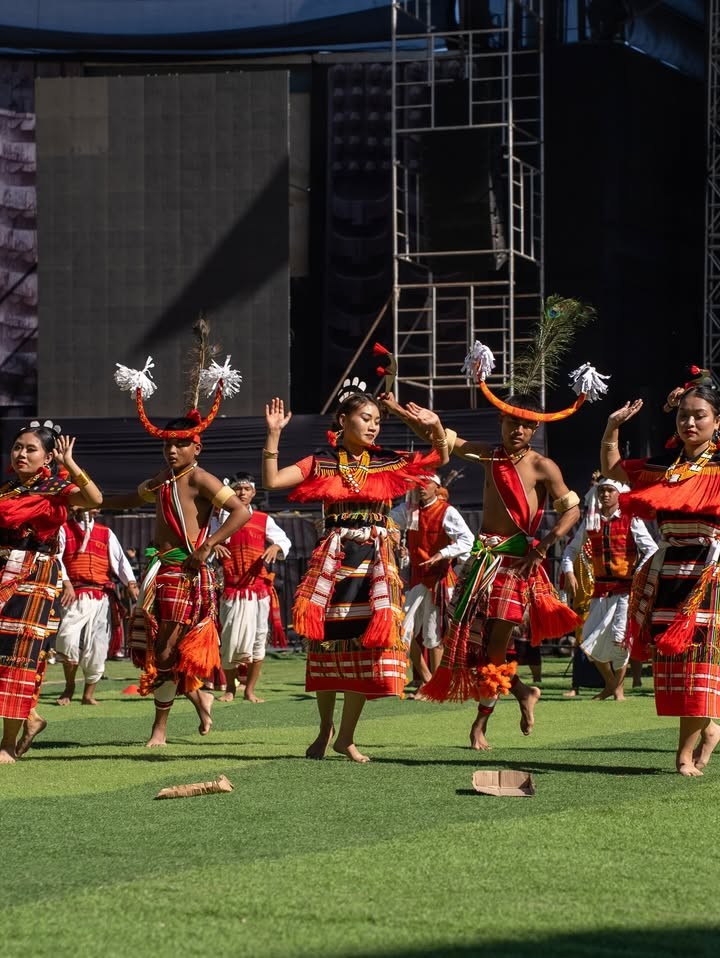
Majuli is one of Assam’s most distinctive cultural destinations. Located on the Brahmaputra, the island is known for its Satras, traditional performing arts, mask-making, pottery and village life.
Travelling through Majuli is less about rushing between attractions and more about observing the rhythm of everyday life. Small roads pass through fields, traditional homes and cultural centres where local practices are still actively preserved.
Visitors can meet artisans, learn about traditional mask-making techniques and spend time understanding the cultural heritage connected to the island.
Hoollongapar: A Different Side of Assam’s Wildlife
Hoollongapar Gibbon Sanctuary offers a quieter forest experience compared to the large national parks of Assam.
The sanctuary is known for its dense forest environment and primate species, including the hoolock gibbon. Guided walks with local experts and forest staff allow travellers to experience the forest at a slower pace and understand its biodiversity more closely.
The experience is not only about spotting wildlife but also about listening to the forest, observing smaller details and learning how the ecosystem functions.
Kaziranga: The Wildlife Heartland
Kaziranga National Park remains one of Assam’s most iconic destinations.
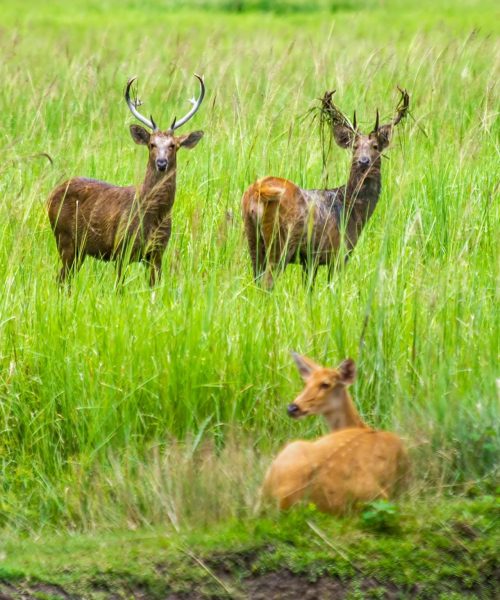
Jeep safaris take travellers through grasslands, wetlands and forest areas where it is possible to encounter rhinoceroses, elephants, deer, wild buffalo and a wide variety of birdlife.
The landscape itself is part of the experience. Open grasslands, water bodies and distant hills create a dramatic setting that changes throughout the day.
Food, Tea and Local Encounters
Assamese cuisine is simple, seasonal and closely connected to local ingredients.
Rice, vegetables, fish, herbs, fermented foods and traditional preparations form an important part of the travel experience. Local meals often give visitors a better understanding of the region than sightseeing alone.
Tea is equally central to Assam’s identity. Travelling through the state means passing through vast tea-growing areas that have shaped both its landscape and economy.
Experiences to Look Forward To
- Majuli Island
- Traditional mask-making
- Satra culture and performing arts
- Village experiences
- Hoollongapar Gibbon Sanctuary
- Guided forest walks
- Kaziranga Jeep Safari
- Assamese cuisine
- Tea landscapes
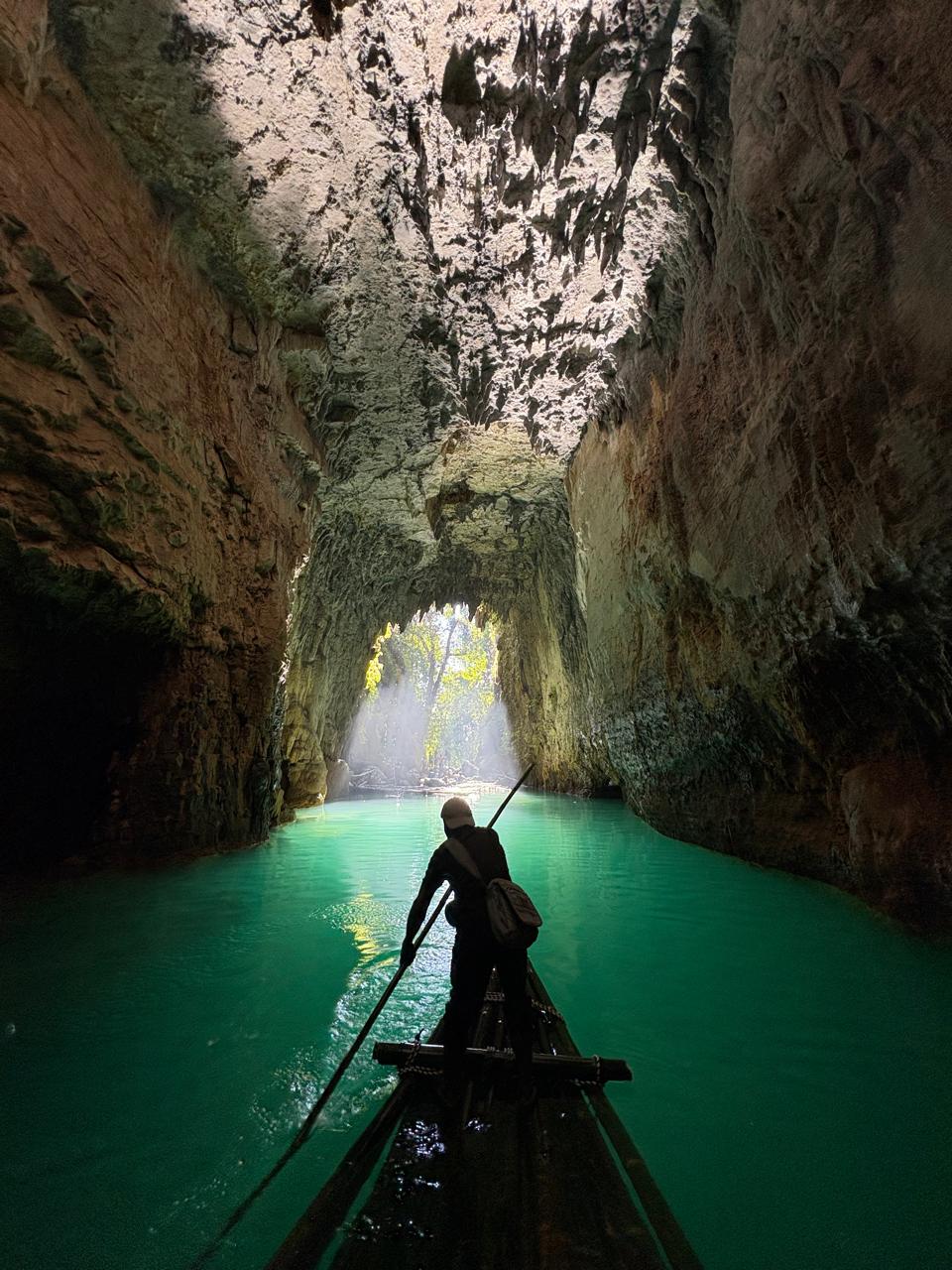
- Brahmaputra river journeys
- Local storytelling and cultural encounters
Best Time to Visit
October to April is generally the most suitable period for exploring Assam, especially for wildlife, outdoor activities and cultural journeys.
The winter months offer pleasant temperatures, while spring brings greener landscapes and comfortable conditions for road travel.